
How Long Does It Take to Charge an Electric Car?
Curious about “How long does it take to charge an electric vehicle?” It’s one of the first questions almost every shopper asks when they start looking at an EV, and honestly, it’s a fair one — nobody wants to plan their week around a plug. The good news is that charging an electric car is a lot more flexible than most people expect, especially once you know which charger you’re using. At Gordie Boucher Nissan in Greenfield, WI, that’s a conversation dealership staff have almost daily, and it usually ends with someone feeling a lot more relaxed about the switch.
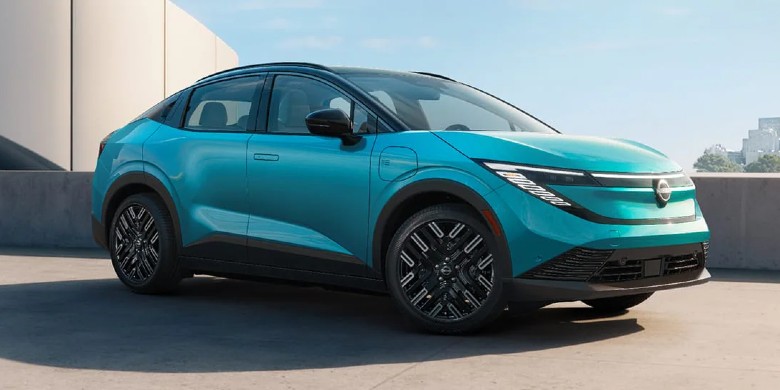
Key Takeaways
- Charging time depends almost entirely on which charger level you’re using — Level 1, Level 2, or DC fast charging.
- A full charge can take anywhere from 20 minutes to nearly two days, depending on the equipment and battery size.
- Most EV owners charge overnight at home on a Level 2 charger and rarely think about it during the day.
- DC fast charging is best for road trips, not daily use, since it’s built for quick top-ups along highway corridors.
- Beyond convenience, EVs offer lower fuel costs, less maintenance, and a smoother, quieter ride.
How Long Does It Take to Charge an Electric Vehicle?
There’s no single answer, but here’s the short version: a Level 1 home outlet can take 40 to 50 hours for a full charge, a Level 2 charger typically takes 4 to 10 hours, and a DC fast charger can get most EVs to 80 percent in 20 minutes to an hour. Most drivers land somewhere in the middle.
Think of it less like filling a gas tank and more like charging a phone. Plug it in before bed on a Level 2 charger, and it’s ready by morning — no detour to a gas station required. Daily commuters in and around Greenfield rarely drain their batteries all the way, so a partial overnight charge is usually enough to cover errands, school runs, and the drive to work. Colder Wisconsin winters can slow charging slightly and shorten range a bit, which is worth factoring in, but it doesn’t change the basic routine. For anyone weighing “How long does it take to charge an electric vehicle?” against their own schedule, the answer usually comes down to matching the charger type to how the car is actually used.
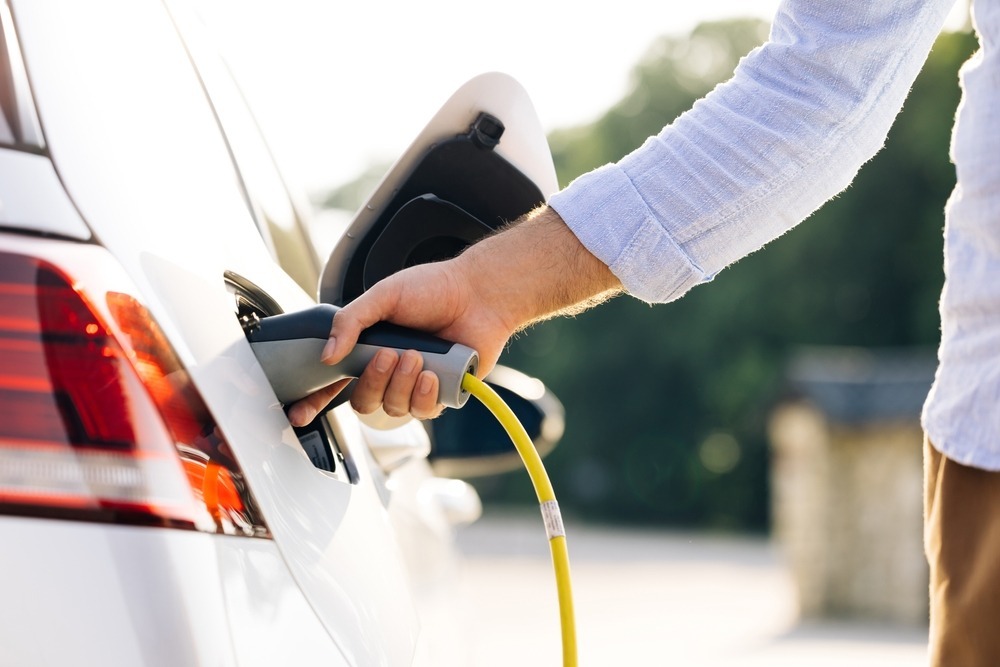
Typical EV Charging Times by Charger Type
- Level 1 (120V home outlet): 40–50+ hours for a full charge
- Level 2 (240V home or public charger): 4–10 hours for a full charge
- DC Fast Charging (public/highway stations): 20 minutes–1 hour to reach 80 percent
What Factors Affect EV Charging Speed?
Charging speed comes down to three main things: the charger’s power output, the vehicle’s battery size, and the battery’s current charge level. A bigger battery simply takes longer to fill, and charging always slows down as it approaches full.
Outside temperature plays a role too — batteries charge a little slower in cold weather, which matters during a Wisconsin winter. The type of connector and onboard charger in the vehicle also affects the ceiling on charging speed, since not every EV can accept the maximum output a station offers. And here’s a detail worth knowing: it can take almost as long to charge the last 10 percent of a battery as it does to charge the first 90 percent, since charging tapers off to protect battery health near full capacity. Anyone researching “How long does it take to charge an electric vehicle?” before buying should ask about the onboard charger specs for the specific model they’re considering, since that number varies by trim.
Charging Factors at a Glance
| Factor | Impact | Example | Explanation |
|---|---|---|---|
| Charger Level | High | Level 2 vs. Level 1 | Level 2 charges roughly 5–8x faster than a standard outlet. |
| Battery Size | Medium | Compact EV vs. long-range EV | Larger batteries hold more range but take longer to fill. |
| Outside Temperature | Medium | Winter vs. summer charging | Cold weather can slow charging speed and reduce range slightly. |
| State of Charge | High | 20% to 80% vs. 80% to 100% | Charging slows near full to protect long-term battery health. |
| Onboard Charger | Medium | Base trim vs. upgraded trim | Some trims accept higher charging power than others. |
What Are the Benefits of Driving an Electric Vehicle?
Beyond charging logistics, EVs tend to cost less to run day-to-day, require less routine maintenance, and deliver a noticeably quieter, smoother ride than comparable gas-powered vehicles.
There’s no oil to change, far fewer moving parts to wear out, and brake pads often last longer thanks to regenerative braking. Electricity also costs less per mile than gasoline in most cases, which adds up over a year of commuting. Instant torque makes acceleration feel effortless, and the cabin stays quiet since there’s no engine noise competing for attention. For families weighing the switch, the charging routine is usually the biggest question mark, and once someone sees how little it actually disrupts a normal week, the rest of the decision tends to fall into place. It’s a fair trade for drivers who want lower running costs without giving up performance.
Bringing It All Home
EV charging isn’t as complicated as it sounds once the basics click. Match the charger to the routine — overnight Level 2 charging at home on most days, DC fast charging for longer trips — and “How long does it take to charge an electric vehicle?” stops being a mystery and becomes just another part of owning the car. Gordie Boucher Nissan in Greenfield, WI keeps a lineup of electric and hybrid options on hand, along with a team that’s happy to walk through real-world charging scenarios based on how a specific customer actually drives.
Thinking about switching to electric, or just want to see the charging options for a specific model? Stopping by Gordie Boucher Nissan is an easy next step — our team can walk through inventory, charging equipment, and what a realistic charging routine would look like at home.
FAQ
Can I charge an electric car with a regular household outlet?
Yes, that’s Level 1 charging, but it’s slow — expect 40 to 50+ hours for a full charge, so it works best as a backup rather than a daily routine.
How long does a Level 2 home charger take to install?
Installation timing varies by home electrical setup, but many owners have one installed within a day or two once an electrician confirms the panel can handle it.
Is DC fast charging bad for the battery?
Occasional fast charging is fine for most EVs, though relying on it exclusively over years of ownership can add extra wear compared to regular Level 2 charging.
Does cold weather really affect charging time?
Yes, colder temperatures can slow charging speed and reduce range slightly, which is worth keeping in mind during Wisconsin winters.
How far can an EV go on a full charge?
Range varies by model and trim, but many current EVs cover well over 200 miles on a full charge — the sales team at Gordie Boucher Nissan can pull exact figures for any model in stock.
Will I need a home charger, or can I rely on public stations?
A home Level 2 charger is the most convenient option for daily driving, but public Level 2 and DC fast stations make it easy to top up while running errands or traveling.

0 comment(s) so far on How Long Does It Take to Charge an Electric Car?