What Does Comprehensive Insurance Cover?
Buying a car is exciting – insurance paperwork, not so much. But if there’s one coverage that trips people up more than any other, it’s comprehensive insurance. At Gordie Boucher Nissan in Greenfield, WI, this question comes up almost daily, whether someone’s financing their first car or trading in a family SUV. So what does it actually cover, and is it something worth having? Here’s the rundown.
Comprehensive insurance pays for damage to a vehicle from events other than a collision – think theft, vandalism, weather, and animal strikes. It’s often required by lenders and leasing companies, even though no state mandates it.
Key Takeaways
- Comprehensive insurance covers damage to a vehicle from events other than a collision – think theft, vandalism, weather, and animal strikes.
- It’s often required by lenders and leasing companies, even though no state mandates it.
- Comprehensive and collision coverage are different things, and most “full coverage” policies include both.
- Whether it’s worth the cost usually comes down to the vehicle’s value, the deductible, and how much financial cushion someone has for a surprise repair bill.
- Drivers tend to appreciate comprehensive coverage most after they’ve actually needed it once.
What Does Comprehensive Insurance Cover?
Comprehensive insurance pays for damage to a vehicle that happens outside of a crash – things like theft, fire, storms, falling objects, and more. It’s the coverage that handles the unpredictable stuff life throws at a car.
Picture a hailstorm rolling through Greenfield overnight, or a deer darting across the road on a rural drive home. Neither of those involves another car, yet both can leave serious damage behind.
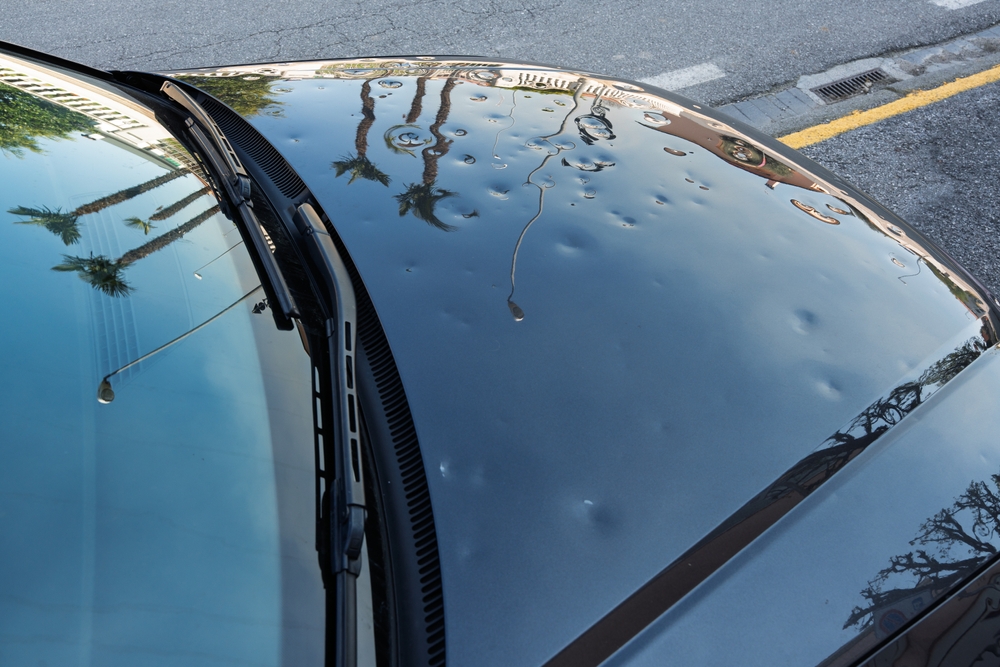
That’s where comprehensive motor vehicle insurance steps in. It’s built for the events nobody sees coming – a cracked windshield from a rock on the highway, a break-in at a parking lot, a tree limb that lets go during a windstorm.
Owners who’ve dealt with Wisconsin winters know how quickly weather can turn a parked car into a repair job. Comprehensive coverage exists precisely for those moments, filling the gap that liability and collision coverage don’t touch.
Common comprehensive claims include:
- Theft or attempted theft of the vehicle
- Vandalism, fire, or explosions
- Storm, hail, flood, or wind damage
- Animal collisions and falling debris
Do I Need Comprehensive Insurance?
There’s no law requiring it, but most lenders and leasing companies do require it until the vehicle is paid off. For owners who paid cash or have an older, lower-value vehicle, it becomes more of a personal choice.
The honest answer to “Do I need comprehensive insurance?” depends on a few factors: how much the car is worth, what the deductible is, and how comfortable someone is with covering a repair bill out of pocket.
A newer vehicle with a loan attached almost always requires it – that’s standard practice for lenders protecting their investment. An older car with a modest resale value is a different story; some owners decide the monthly premium isn’t worth it once the vehicle’s value drops low enough.
On the other hand, plenty of drivers keep comprehensive coverage well past the loan payoff simply because it offers peace of mind. Nobody plans for a hailstorm or a break-in, and that’s exactly the point.
Comprehensive vs. Collision Coverage
| Factor | Comprehensive | Collision |
|---|---|---|
| What it covers | Non-crash events (theft, weather, animals) | Damage from hitting another vehicle or object |
| Typically required by lenders? | Often, yes | Often, yes |
| Common examples | Hailstorm, broken windshield, stolen vehicle | Fender bender, hitting a guardrail |
| Fault-based? | No | No – pays regardless of fault |
| Usually bundled with liability as “full coverage”? | Yes | Yes |
Why Do People Like Having Comprehensive Coverage?
Most drivers who’ve filed a comprehensive claim say the same thing: it made a stressful situation a lot less stressful. Knowing a stolen car or storm-damaged windshield won’t turn into a five-figure bill out of nowhere is a genuine relief.
It’s easy to skip a coverage that feels optional – right up until the night a windstorm drops a branch across the hood, or a car goes missing from a parking lot. Drivers who’ve been through one of those moments tend to become the biggest advocates for keeping comprehensive coverage on their policy.

It’s not glamorous, and most years it just sits quietly in the background doing nothing. But that’s actually the appeal: it’s insurance in the truest sense, there for the one time it’s genuinely needed.
For anyone financing a newer Nissan or holding onto a vehicle they’d rather not replace unexpectedly, that kind of protection tends to earn its keep.
Wrapping It Up
Comprehensive insurance isn’t the flashiest part of buying or owning a car, but it’s one of the most useful once the unexpected actually happens. Understanding comprehensive insurance – what it covers, when it’s required, and when it might not be worth the cost – makes the whole insurance conversation a lot less confusing.
Weighing coverage options while shopping for a new or used vehicle? Stopping by Gordie Boucher Nissan in Greenfield is an easy way to get real answers – no pressure, just straight talk about what makes sense for the vehicle and the budget.
FAQ
Does comprehensive insurance cover a cracked windshield?
Yes. Glass damage from road debris, weather, or falling objects is one of the most common comprehensive claims.
Is comprehensive insurance the same as full coverage?
Not exactly. “Full coverage” usually refers to a combination of comprehensive, collision, and state-required liability coverage – comprehensive is just one piece of that package.
Will comprehensive insurance cover a stolen car?
Yes, theft is one of the core events comprehensive coverage is designed to handle.
Does comprehensive coverage pay if I hit a deer?
Yes. Animal collisions are treated as comprehensive claims, not collision claims, since they’re considered outside the driver’s control.
Can I drop comprehensive insurance once my car loan is paid off?
It’s possible, but it’s worth weighing the vehicle’s value and repair costs before deciding – some owners keep it anyway for the peace of mind.
How much does comprehensive coverage typically add to a policy?
It varies by vehicle, location, and deductible, so the best way to get an accurate number is a quote from an insurance provider.

0 comment(s) so far on What Does Comprehensive Insurance Cover?